
Hidden Costs of Buying a Home
Buying a home is exciting — but it’s also easy to focus only on the purchase price and forget about the additional costs that come with closing day and beyond. While your down payment is a major part of the process, it’s far from the only expense buyers should be prepared for. Being knowledgeable in all the different costs that may come with buying a home will allow you to budget accordingly and be financially prepared. You don’t want any surprises when potentially making the largest transaction of your life!
Closing Costs
Other than your down payment, buying a home comes with a few other costs at the time of closing that you should be aware of and should plan for accordingly. These costs can include the land transfer tax (first-time home buyers in Ontario can qualify for a rebate up to $4,000) , legal fees, and title insurance. Most of these costs will be discussed when you meet with your real estate lawyer and will be added right onto the amount you need for your down payment. These costs are non-negotiable, and it is generally a good idea to try and save an additional 1.5%-4% of your home’s purchase price to be able to cover these costs.

Moving Expenses
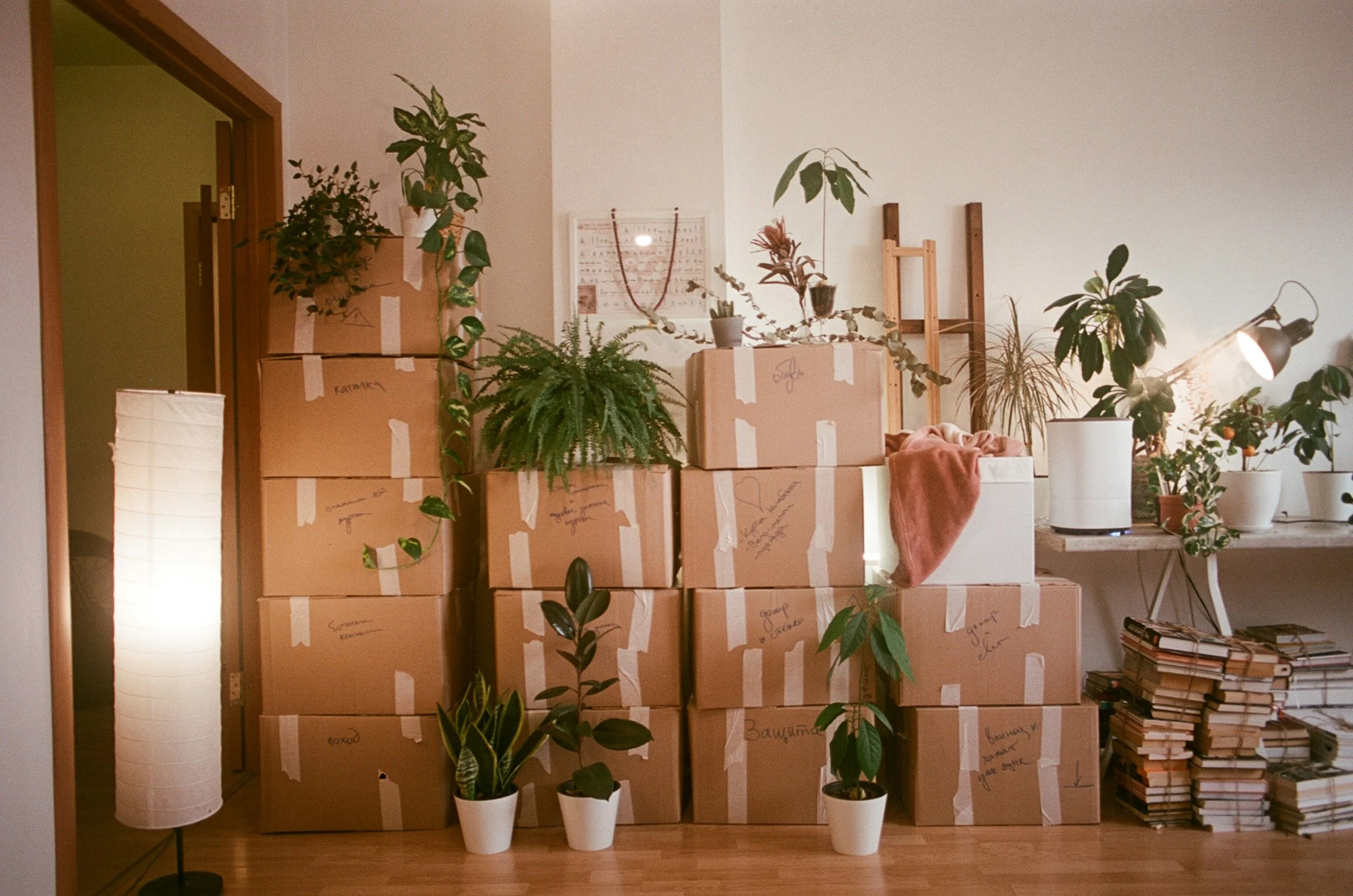
When it’s time to move into your new home, there can be some smaller costs involved with moving that you may not have even thought about. Packing supplies, like boxes, bags, and tape are very useful in the moving process and the costs can add up depending on what you need. There is also a likely chance that a moving truck will be required to move the bigger items like furniture or appliances as well as all your boxes of other belongings. In some cases hiring a professional moving team is something that could be beneficial, but will also contribute to your moving costs. Storage options like a storage unit or storage box delivery while you are going through the moving process may need to be considered as well. Some of these costs may not be necessary for your move, but should still be thought about when creating your budget.

Utilities
A step often overlooked when moving is either setting up, or transferring your utilities to your new address. For first-time home buyers, you will most likely have to create new accounts for all of your bills, many of which will have a small one-time startup fee. Even if you aren’t a first-time home buyer, there could be new utilities that come with your new home like an alarm system fee or a rental cost of a water heater or furnace. These are smaller costs, but should still be budgeted for so there are no surprises.
Renovations
Sometimes when you purchase a home, there are smaller renovations you want to complete prior to or immediately after moving in. Painting, installing new window treatments, changing locks, or even a larger renovation like finishing a basement or redoing a kitchen are other costs that should be added into your moving budget. In some cases these are things you won’t need to worry about. In other cases, these renovations should be planned for accordingly, even if it is as small as just changing the locks on your door.

Don’t be discouraged by the thought of all these additional costs that may show up during your moving process. You want to be as financially prepared as possible when it comes to buying a home, so knowing all the potential costs that might show up will eliminate any surprises and allow you to budget accordingly.